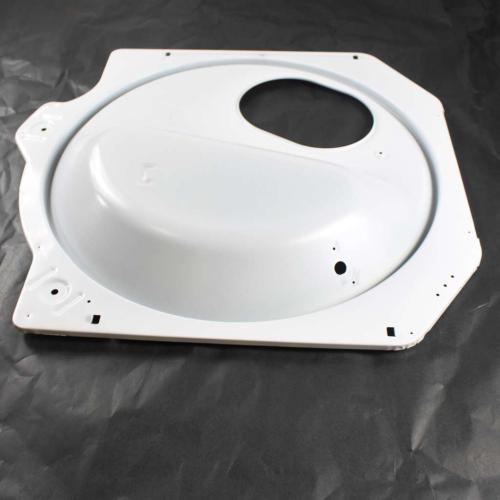
The drum is the central rotating part inside a washer and dryer combo. It holds clothes during washing, rinsing, spinning, and drying, so it has to handle water, heat, movement, and load weight. When the drum or its supporting parts wear out, the appliance may become noisy, shake, scrape clothing, stop tumbling, or struggle to spin at the right speed.
A drum replacement can involve more than the visible cylinder. Depending on the model, the repair may call for a drum assembly, tub, drum glide, baffle, support roller, bearing, shaft, seal, belt, or mounting hardware. Because these parts sit deep inside the appliance and must align perfectly, the correct model number is essential. If you are still checking symptoms, the main washer and dryer combo parts collection can help you compare drum parts with related pump, belt, sensor, pipe, door, and circuit board categories.
So, is it worth replacing a drum on a washing machine or combo unit? It can be worth it when the rest of the appliance is in good condition and the damaged part is specific, such as a cracked baffle, worn glide, or damaged tub cover. If the drum assembly itself is cracked, badly rusted, or the bearing system has failed, compare the part cost, labor needs, and age of the machine before deciding.
Drum Area Parts to Check
|
Part
|
What it does
|
When it may need replacement
|
|
Drum assembly
|
Holds clothes and rotates through wash and dry cycles
|
Visible cracks, dents, scraping, or balance issues
|
|
Tub or outer tub
|
Contains water around the drum during washing
|
Leaks, cracks, or rubbing against the inner drum
|
|
Drum baffle or lifter
|
Moves clothes as the drum turns
|
Loose, broken, or leaving marks on clothing
|
|
Drum glide or support
|
Helps the drum rotate smoothly
|
Squealing, scraping, or metal-on-metal noise
|
|
Bearing or shaft support
|
Supports drum rotation under load
|
Loud rumbling, wobbling, or excess play
|
Common Signs of Drum or Tub Wear
A noisy combo unit does not always need a full drum. Start with the sound. A thumping noise may point to an unbalanced load, worn support, loose baffle, or damaged belt. A scraping sound can come from a worn glide, broken drum part, trapped foreign object, or loose screw. A deep rumble during spin often points to bearing or shaft support wear. Matching the symptom to the part helps avoid replacing a larger assembly too soon.
If the drum is not turning, inspect the drive path before assuming the drum itself has failed. A broken or stretched washer and dryer combo belt can stop tumbling even when the drum is still usable. If water remains inside the drum at the end of the wash cycle, the issue may be drainage rather than drum damage, so check the washer and dryer combo pump and drain path too.
So, how much does it cost to replace a drum in a washer? The part cost can vary widely because some repairs only need a small baffle, glide, or support, while others need a larger drum or tub assembly. The best way to estimate the repair is to identify the exact failed component from the model diagram and compare it with the age and condition of the appliance.
Symptom and Likely Part Direction
|
Symptom
|
Likely area to inspect
|
Helpful repair direction
|
|
Drum will not rotate
|
Drive belt, motor path, drum obstruction
|
Check belt tension and look for trapped items
|
|
Scraping during tumble
|
Baffle, glide, screw, or drum edge
|
Inspect inside drum and front support area
|
|
Water leaking near tub
|
Outer tub, seal, pipe, or hose
|
Trace leak path before ordering drum parts
|
|
Heavy vibration
|
Drum support, leveling, load balance, sensor
|
Check support parts and spin sensor readings
|
|
Marks on clothing
|
Rough drum edge, broken baffle, worn glide
|
Inspect for sharp plastic or metal contact points
|
How to Choose the Right Drum Part
Does anyone make a washer and dryer combo? Yes, many major appliance brands make compact all-in-one units, but their drum designs are not interchangeable. A drum from one brand, capacity, or model series will usually not fit another. Even units that look similar from the front can use different internal supports, screw patterns, tub shapes, and belt positions.
Before ordering, open the door and inspect the drum surface with a flashlight. Look for cracked plastic baffles, missing screws, loose lifters, rust marks, dents, or areas where clothing may snag. Turn the drum by hand if the model allows it. It should rotate smoothly without grinding or catching. If the drum shifts too much, the support system may be worn.
If you find missing or damaged hardware inside the drum area, use the washer and dryer combo screw collection to match the correct fastener. Screws inside a laundry appliance must be the correct length, thread, and material because an incorrect screw can rub the drum, loosen with vibration, or damage the surrounding panel.
Leaks around the drum can also come from a hose, tube, or seal rather than the drum itself. If you see water below the appliance or around the tub connection, check the washer and dryer combo pipe category before ordering a large drum assembly. A small hose leak can look like a bigger internal failure if water runs along the cabinet before dripping out.
The door area should also be checked because a misaligned door can create rubbing sounds near the front of the drum. If the drum scrapes only near the opening or the unit will not lock before tumbling, the washer and dryer combo door collection may point to a latch, hinge, glass, or seal issue instead.
If the drum area was opened during another repair, check that every panel, bracket, and wire path is returned to its original position before testing the unit. Combo machines have tight clearances around the drum, and a harness, hose, or screw left slightly out of place can rub during spin or drying. Taking a few extra minutes during reassembly helps protect the new drum part and prevents a second teardown.
A well-matched drum part helps restore smoother rotation, quieter cycles, and safer fabric movement. Once installed, run a small test load and listen for rubbing, uneven spin, or new vibration before returning to larger loads.