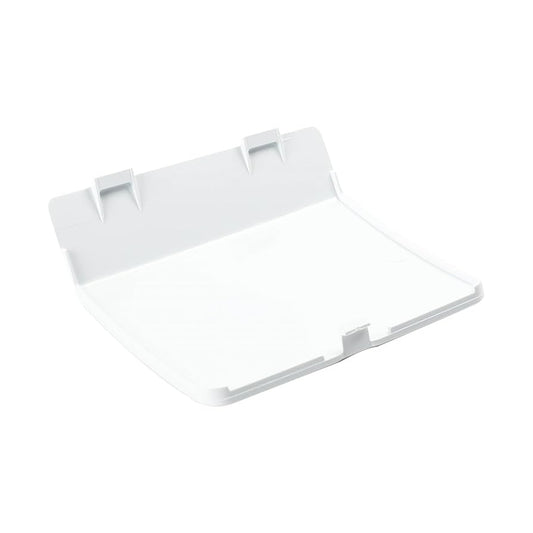
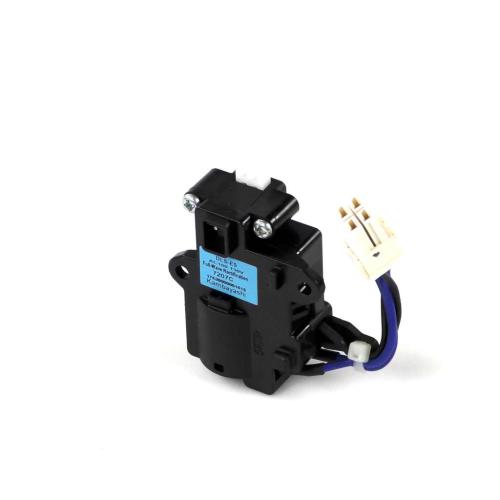
Washer and Dryer Combo Door Parts
The door on a washer and dryer combo does more than open and close. It seals water inside during the wash cycle, locks for safe operation, allows visibility through the glass, and helps the machine confirm that a cycle can begin. If the door is cracked, leaking, sagging, hard to close, or not locking, replacing the right door part can bring the appliance back to normal without replacing the entire unit.
Door parts are highly model-specific. A complete door assembly, glass window, hinge, latch, lock, handle, boot seal, trim ring, and screw set may all be listed separately in the appliance diagram. Choosing by model number helps make sure the hinge position, lock alignment, glass shape, and gasket fit are correct. For broader repairs, the main washer and dryer combo parts collection can help you compare the door with related sensors, knobs, pipes, pumps, and control boards.
So, can you switch the doors on your washer and dryer? Some standalone dryers have reversible doors, but many washer and dryer combo doors are not reversible because the lock, seal, hinge, wiring, and glass alignment are designed for one direction. Before attempting a door-swing change, check the model manual or part diagram. If your model does not support reversal, replacing the damaged part in its original position is the safer path.
Common Washer and Dryer Combo Door Parts
|
Door part |
What it does |
When to replace it |
|
Complete door assembly |
Includes major outer door components depending on model |
Cracked frame, damaged glass mount, or multiple broken pieces |
|
Door glass or window |
Lets you see inside while sealing the opening |
Cracked, scratched deeply, or leaking around the glass |
|
Door hinge |
Supports door opening and closing movement |
Door sags, rubs, or will not align with latch |
|
Door latch or lock |
Keeps the door shut during wash and spin |
Cycle will not start, door error appears, or lock will not release |
|
Door seal or gasket |
Prevents water from leaking around the opening |
Water leaks at front, mildew damage, tears, or loose seal |
When Door Parts Cause Cycle Problems
A door problem can look like an electrical or sensor issue because the machine will not run unless it confirms the door is closed and locked. If the lights turn on but the cycle will not begin, listen for the lock clicking. If the latch does not engage, inspect the strike, hinge alignment, and door lock area before replacing a control part.
If the unit starts and then stops, the door sensor may be losing contact during vibration. This can happen when the hinge is loose, the latch is worn, or the door frame is out of alignment. If the door looks fine but the machine still reads it incorrectly, the washer and dryer combo sensor collection may help when the issue involves door sensing or cycle detection rather than the visible door parts.
Does anyone make a washer and dryer combo? Yes, many appliance brands offer all-in-one laundry units, but their door designs vary a lot. A front-load combo door must seal for washing and tolerate drying heat, so the glass, gasket, latch, and hinge are engineered together. This is why exact model matching matters more than visual similarity.
Door Symptom Guide
|
Symptom |
Likely part area |
What to inspect first |
|
Water leaking from front |
Door seal, glass edge, latch alignment |
Check for tears, trapped clothing, or seal buildup |
|
Door will not lock |
Latch, strike, lock assembly, sensor |
Inspect latch hook and listen for lock engagement |
|
Door sagging |
Hinge, hinge screws, frame |
Check hinge play and mounting hardware |
|
Door hard to open |
Latch, lock release, handle |
Do not force the handle if lock is engaged |
|
Cycle will not start |
Door switch, control board, latch |
Confirm door closed signal before replacing larger parts |
Replacing Door Parts Safely
Before replacing any door part, disconnect power and let the appliance sit for a few minutes. If the door is locked with water inside, do not force it open. Drain the machine first, then follow the model-specific release method if available. Forcing the door can crack the handle, bend the hinge, or damage the lock assembly.
If water remains in the drum and the door will not unlock, the problem may be drainage related. Check the washer and dryer combo pump and hose path before assuming the door lock has failed. Many combo units keep the door locked when they still detect water inside, which is a safety feature rather than a door defect.
A leaking door is often linked to the gasket or seal, but the surrounding parts matter too. A loose hinge can prevent even gasket pressure. A cracked glass edge can break the seal line. A missing screw can let the latch or hinge shift out of place. If the door hardware is incomplete, the washer and dryer combo screw collection can help with model-specific fasteners.
If the door closes properly but the control panel still will not respond, the issue may sit in the control system. A failed washer and dryer combo circuit board can prevent the machine from reading the lock signal correctly or starting the selected cycle even when the door parts are sound.
One drawback of washer and dryer combo units is that a door issue can interrupt both wash and dry functions. Since the same door must seal water and support drying heat, even a small part failure can affect the whole laundry routine. The good news is that many door problems are repairable with the correct latch, hinge, seal, handle, or door assembly.
If the door seal is being replaced, clean the groove and surrounding frame before installing the new part. Detergent residue, lint, and small fabric threads can keep the gasket from seating evenly. A clean sealing surface gives the new door part a better chance to prevent leaks from the first test cycle.
After replacing a door part, run a short rinse or drain cycle and watch the front of the machine. Check for leaks, confirm the lock engages, and make sure the door opens normally after the cycle ends. A properly fitted replacement door part should feel secure, close without forcing, and keep water inside the appliance during operation.
Search result
POPULAR PARTS & ACCESSORIES
Frequently Asked Questions
Quick answers for your replacement part needs
Where can I find genuine replacement parts for my appliance?
Finding genuine replacement parts for your appliances has never been easier! We offer authentic parts for over 250 brands, including LG, Samsung, Whirlpool, Kenmore, Dyson, Bosch, and Liebherr. Simply enter your appliance's model number on our website, and explore our extensive selection of compatible parts designed to restore your appliance's peak performance and reliability.
What type of appliance parts and accessories are available for purchase?
Are your replacement parts compatible with all models?
What if I can’t find the appliance part I need?
How can I track my order for appliance parts online?
How long will it take to receive my replacement parts order?
Can I return appliance parts if they are not compatible with my model?
How can I update my shipping address after placing an order?
How can I get in touch with customer support?
Couldn’t find the answer to your question?
Your satisfaction matters. Let us know how we can assist with your repair journey.
Wishlist
You currently have 0 items in your Wishlist