Turntables & Accessories

Turntables & Accessories Parts

A turntable is a precision playback device, and small parts can make a big difference in how a record sounds. The platter must spin at the correct speed, the tonearm must track smoothly, the stylus must sit in the groove at the right pressure, and the cartridge must send a clean signal onward to the rest of the audio system. When a belt stretches, a stylus wears down, a headshell loosens, or a dust cover cracks, the record may still play, but the experience can become noisy, uneven, or unsafe for the vinyl.

GenuineReplacementParts.com helps shoppers look for turntable parts and accessories by brand, model number, and part type. That matters because turntable components are not all interchangeable. A belt must match the correct length and shape. A stylus must match the cartridge body. A cartridge must match the tonearm and phono input. A dust cover must align with the hinge points. Even a record mat can change the height of the record surface, which may affect tonearm angle on some models.

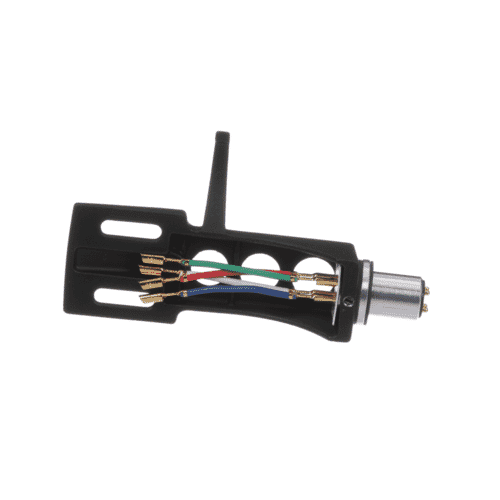
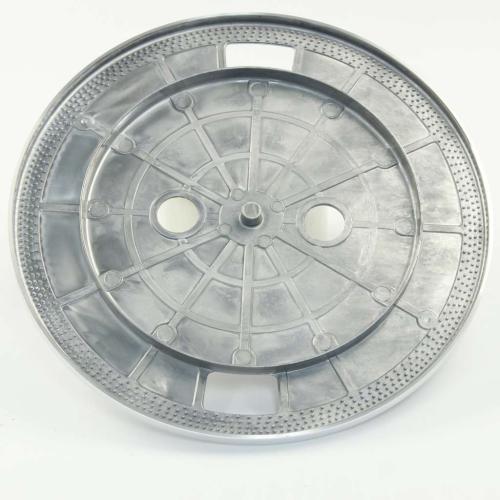
The most familiar turntable part is the stylus, often called the needle. The stylus is the small tip that rides in the record groove. It is usually attached to a cartridge, which converts groove movement into a tiny electrical signal. The cartridge may be mounted to a headshell at the end of the tonearm. The platter supports the record, the belt or direct-drive motor turns it, and the tonearm bearings help the stylus move across the record without dragging or skipping.

If you are wondering whether a turntable needs a preamp, the practical answer is that many turntables produce a very low phono-level signal. That signal must be boosted and equalized before most speakers or line-level inputs can use it. Some turntables have a built-in preamp, some receivers have a phono input, and some systems need an external phono preamp. If the sound is extremely quiet or thin when connected to an ordinary AUX input, the issue may be the signal path rather than a failed cartridge.

Common symptoms can point toward the part most likely to need replacement. Distortion or sibilance can come from a worn stylus or incorrect tracking force. Slow startup or unstable speed can come from a belt, motor, pulley, or speed control problem. A hum can come from grounding, cable routing, cartridge wiring, or a phono input issue. Skipping can come from a damaged record, bad stylus, incorrect anti-skate, unlevel surface, or tonearm problem.

Turntable Symptoms and Likely Parts

Symptom

Likely part to check

What to confirm

Distorted sound or harsh vocals

Stylus, cartridge, tracking-force setting

Stylus model, cartridge body, recommended tracking force

Platter spins slow or unevenly

Drive belt, motor pulley, speed control

Belt length/profile, platter path, model-specific belt number

Hum or buzz through speakers

Ground wire, RCA cable, cartridge leads, phono stage

Ground connection, cable condition, receiver input type

Tonearm skips or drifts

Stylus, tonearm bearings, anti-skate, cueing platform

Level surface, tracking force, stylus wear, arm movement

Dust cover will not stay open

Dust cover, hinges, hinge springs

Hinge spacing, cover shape, cabinet mounting points

Record slips or static builds up

Record mat, platter surface, cleaning accessories

Mat thickness, material, static-control needs

Part Types and Functions

Part or accessory

What it does

Fit detail that matters

Stylus

Tracks the record groove and contacts the vinyl

Must match the cartridge body and recommended tracking range

Cartridge

Converts groove movement into an electrical audio signal

Mounting style, output type, tonearm compatibility

Headshell

Holds the cartridge at the end of the tonearm

Connector type, weight, screw spacing, alignment room

Drive belt

Transfers motor movement to the platter

Length, width, thickness, and model-specific path

Record mat

Supports the record on the platter

Thickness, material, spindle hole, platter size

Dust cover

Protects the turntable from dust and accidental contact

Hinge placement and cabinet dimensions

A turntable usually connects to a larger audio chain, so noisy or weak output is not always caused by the record player itself. If the turntable feeds a receiver or integrated amp, compare the phono input, grounding, and speaker output with AV receiver and amplifier parts before replacing several turntable parts at once.

The model number is usually printed on the back or underside of the turntable, sometimes near the power label or serial number. For cartridges and styli, also check the number printed on the cartridge body or stylus grip. Older turntables may have replacement parts listed by cartridge model rather than turntable model, especially when the cartridge has been upgraded since the unit was new.

So, how often should a turntable needle be replaced? There is no single schedule for every stylus because wear depends on stylus shape, tracking force, record cleanliness, and playback hours. Replace the stylus if sound becomes dull, distorted, or uneven after cleaning and setup checks, or if the tip is visibly damaged. Playing records with a worn stylus can damage grooves, so this is one part worth treating carefully.

If you are transferring vinyl to a computer or standalone recorder, a playback problem may show up as clipped, noisy, or uneven recordings. In that case, review the source chain along with digital audio/video recorder parts so the turntable, preamp, cable, and recorder input are all checked together.

Safety and setup go together. Unplug the turntable before replacing a belt, motor, cable, or internal switch. Keep the stylus guard on while handling the cartridge. Do not force a tonearm bearing, and do not tighten cartridge screws so hard that the headshell or cartridge body cracks. Use a tracking-force gauge if the tonearm has adjustable counterweight settings, and level the turntable before judging whether the stylus or cartridge is faulty.

Before ordering, write down the brand, full model number, old part number if visible, and the symptom. For belts, measure only if the correct belt number is unavailable; stretched old belts can mislead you. For dust covers, compare hinge spacing and cabinet dimensions. For cartridges, confirm whether the tonearm uses standard half-inch mounting, P-mount, or a model-specific assembly. GenuineReplacementParts.com keeps the focus on exact fit so shoppers can protect their records and restore steady, clean playback.

POPULAR Turntables & Accessories BRANDS

Search result

Show filters
1 - 40 out of 12 results found in 0.003s
Sorted by

A turntable is a precision playback device, and small parts can make a big difference in how a record sounds. The platter must spin at the correct speed, the tonearm must track smoothly, the stylus must sit in the groove at the right pressure, and the cartridge must send a clean signal onward to the rest of the audio system. When a belt stretches, a stylus wears down, a headshell loosens, or a dust cover cracks, the record may still play, but the experience can become noisy, uneven, or unsafe for the vinyl.

GenuineReplacementParts.com helps shoppers look for turntable parts and accessories by brand, model number, and part type. That matters because turntable components are not all interchangeable. A belt must match the correct length and shape. A stylus must match the cartridge body. A cartridge must match the tonearm and phono input. A dust cover must align with the hinge points. Even a record mat can change the height of the record surface, which may affect tonearm angle on some models.

The most familiar turntable part is the stylus, often called the needle. The stylus is the small tip that rides in the record groove. It is usually attached to a cartridge, which converts groove movement into a tiny electrical signal. The cartridge may be mounted to a headshell at the end of the tonearm. The platter supports the record, the belt or direct-drive motor turns it, and the tonearm bearings help the stylus move across the record without dragging or skipping.

If you are wondering whether a turntable needs a preamp, the practical answer is that many turntables produce a very low phono-level signal. That signal must be boosted and equalized before most speakers or line-level inputs can use it. Some turntables have a built-in preamp, some receivers have a phono input, and some systems need an external phono preamp. If the sound is extremely quiet or thin when connected to an ordinary AUX input, the issue may be the signal path rather than a failed cartridge.

Common symptoms can point toward the part most likely to need replacement. Distortion or sibilance can come from a worn stylus or incorrect tracking force. Slow startup or unstable speed can come from a belt, motor, pulley, or speed control problem. A hum can come from grounding, cable routing, cartridge wiring, or a phono input issue. Skipping can come from a damaged record, bad stylus, incorrect anti-skate, unlevel surface, or tonearm problem.

Turntable Symptoms and Likely Parts

Symptom

Likely part to check

What to confirm

Distorted sound or harsh vocals

Stylus, cartridge, tracking-force setting

Stylus model, cartridge body, recommended tracking force

Platter spins slow or unevenly

Drive belt, motor pulley, speed control

Belt length/profile, platter path, model-specific belt number

Hum or buzz through speakers

Ground wire, RCA cable, cartridge leads, phono stage

Ground connection, cable condition, receiver input type

Tonearm skips or drifts

Stylus, tonearm bearings, anti-skate, cueing platform

Level surface, tracking force, stylus wear, arm movement

Dust cover will not stay open

Dust cover, hinges, hinge springs

Hinge spacing, cover shape, cabinet mounting points

Record slips or static builds up

Record mat, platter surface, cleaning accessories

Mat thickness, material, static-control needs

Part Types and Functions

Part or accessory

What it does

Fit detail that matters

Stylus

Tracks the record groove and contacts the vinyl

Must match the cartridge body and recommended tracking range

Cartridge

Converts groove movement into an electrical audio signal

Mounting style, output type, tonearm compatibility

Headshell

Holds the cartridge at the end of the tonearm

Connector type, weight, screw spacing, alignment room

Drive belt

Transfers motor movement to the platter

Length, width, thickness, and model-specific path

Record mat

Supports the record on the platter

Thickness, material, spindle hole, platter size

Dust cover

Protects the turntable from dust and accidental contact

Hinge placement and cabinet dimensions

A turntable usually connects to a larger audio chain, so noisy or weak output is not always caused by the record player itself. If the turntable feeds a receiver or integrated amp, compare the phono input, grounding, and speaker output with AV receiver and amplifier parts before replacing several turntable parts at once.

The model number is usually printed on the back or underside of the turntable, sometimes near the power label or serial number. For cartridges and styli, also check the number printed on the cartridge body or stylus grip. Older turntables may have replacement parts listed by cartridge model rather than turntable model, especially when the cartridge has been upgraded since the unit was new.

So, how often should a turntable needle be replaced? There is no single schedule for every stylus because wear depends on stylus shape, tracking force, record cleanliness, and playback hours. Replace the stylus if sound becomes dull, distorted, or uneven after cleaning and setup checks, or if the tip is visibly damaged. Playing records with a worn stylus can damage grooves, so this is one part worth treating carefully.

If you are transferring vinyl to a computer or standalone recorder, a playback problem may show up as clipped, noisy, or uneven recordings. In that case, review the source chain along with digital audio/video recorder parts so the turntable, preamp, cable, and recorder input are all checked together.

Safety and setup go together. Unplug the turntable before replacing a belt, motor, cable, or internal switch. Keep the stylus guard on while handling the cartridge. Do not force a tonearm bearing, and do not tighten cartridge screws so hard that the headshell or cartridge body cracks. Use a tracking-force gauge if the tonearm has adjustable counterweight settings, and level the turntable before judging whether the stylus or cartridge is faulty.

Before ordering, write down the brand, full model number, old part number if visible, and the symptom. For belts, measure only if the correct belt number is unavailable; stretched old belts can mislead you. For dust covers, compare hinge spacing and cabinet dimensions. For cartridges, confirm whether the tonearm uses standard half-inch mounting, P-mount, or a model-specific assembly. GenuineReplacementParts.com keeps the focus on exact fit so shoppers can protect their records and restore steady, clean playback.

171 products

Part

Sony Part# 9-885-209-98 Dust Cover Assembly - Genuine OEM
9-885-209-98
$11.18 $18.18

In stock 58 Products

Quick View

In stock 58 Products

Part

Sony

$11.18 $18.18
Quick View

Part

Panasonic Overhang Gauge RMR2210-W
RMR2210-W
$4.95 $6.44

In stock 0 Products

Quick View

In stock 0 Products

Part

Panasonic

$4.95 $6.44
Quick View

Part

Panasonic Part# TKKH51441 Aux Weight - Genuine OEM
TKKH51441
$6.85 $8.91

In stock 0 Products

Quick View

In stock 0 Products

Part

Panasonic

$6.85 $8.91
Quick View

Part

Panasonic Head Shell TPBAA202
TPBAA202
$69.95 $76.95

In stock 3 Products

Quick View

In stock 3 Products

Part

Panasonic

$69.95 $76.95
Quick View

Part

Sony Turn Table For Player - 9-885-117-85
9-885-117-85
$86.85

In stock 0 Products

Quick View

In stock 0 Products

Part

Sony

$86.85
Quick View

Part

Panasonic Part# TZTYL01BC2E Tone Arm - Genuine OEM
TZTYL01BC2E
$299.85 $389.81

In stock 0 Products

Quick View

In stock 0 Products

Part

Panasonic

$299.85 $389.81
Quick View

Model

In stock 0 Products

Model

Sony

$99,999.00
Quick View

Model

In stock 0 Products

Model

Sony

$99,999.00
Quick View

Model

In stock 0 Products

Model

Panasonic

$99,999.00
Quick View

Model

In stock 0 Products

Model

Panasonic

$99,999.00
Quick View

Model

In stock 0 Products

Model

Panasonic

$99,999.00
Quick View

Model

In stock 0 Products

Model

Panasonic

$99,999.00
Quick View

Model

In stock 0 Products

Model

Panasonic

$99,999.00
Quick View

Part

Panasonic Balance Weight - TYL0541
TYL0541
$38.95 $50.64

In stock 7 Products

Quick View

In stock 7 Products

Part

Panasonic

$38.95 $50.64
Quick View

Model

In stock 0 Products

Model

Panasonic

$99,999.00
Quick View

Part

Sony Part# 9-885-209-99 Hinge Assembly - Genuine OEM
9-885-209-99
$5.45 $7.09

In stock 26 Products

Quick View

In stock 26 Products

Part

Sony

$5.45 $7.09
Quick View

Part

TZTYL03BE7E
$303.85

In stock 0 Products

Quick View

In stock 0 Products

Part

Panasonic

$303.85
Quick View

Part

L6YZYJ000004
$311.85 $405.41

In stock 0 Products

Quick View

In stock 0 Products

Part

Panasonic

$311.85 $405.41
Quick View

Part

TNPA7005AC
$120.85 $157.11

In stock 0 Products

Quick View

In stock 0 Products

Part

Panasonic

$120.85 $157.11
Quick View

Part

TTFA0572
$226.89

In stock 0 Products

Quick View

In stock 0 Products

Part

Panasonic

$226.89
Quick View

Frequently Asked Questions

Quick answers for your replacement part needs

Where can I find genuine replacement parts for my appliance?

Finding genuine replacement parts for your appliances has never been easier! We offer authentic parts for over 250 brands, including LG, Samsung, Whirlpool, Kenmore, Dyson, Bosch, and Liebherr. Simply enter your appliance's model number on our website, and explore our extensive selection of compatible parts designed to restore your appliance's peak performance and reliability.

What type of appliance parts and accessories are available for purchase?

Are your replacement parts compatible with all models?

What if I can’t find the appliance part I need?

How can I track my order for appliance parts online?

How long will it take to receive my replacement parts order?

Can I return appliance parts if they are not compatible with my model?

How can I update my shipping address after placing an order?

How can I get in touch with customer support?

Couldn’t find the answer to your question?

Your satisfaction matters. Let us know how we can assist with your repair journey.

Your Cart ( 0 items)

You currently have 0 items in your Cart

Return to shop
Menu

Compatible Models