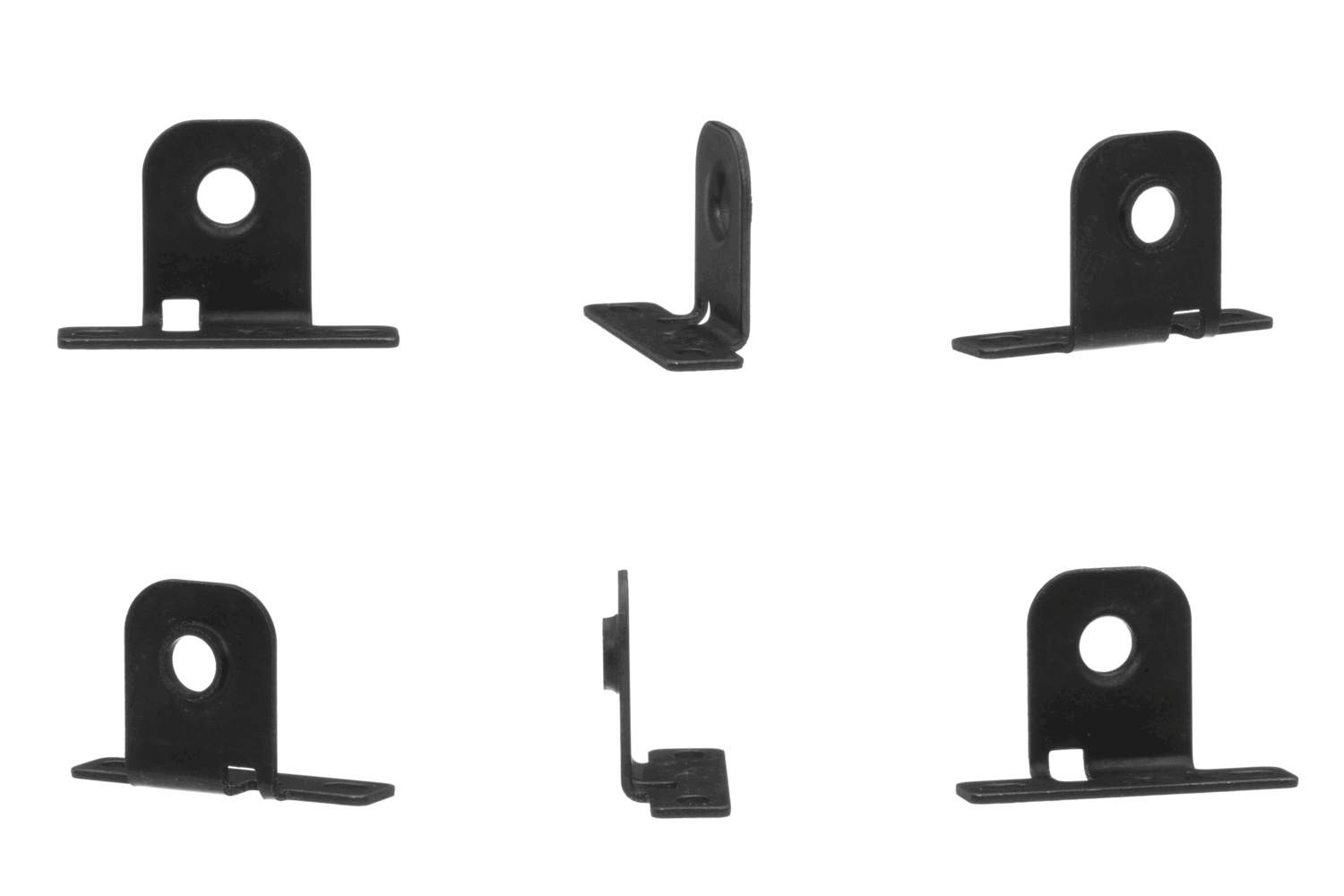
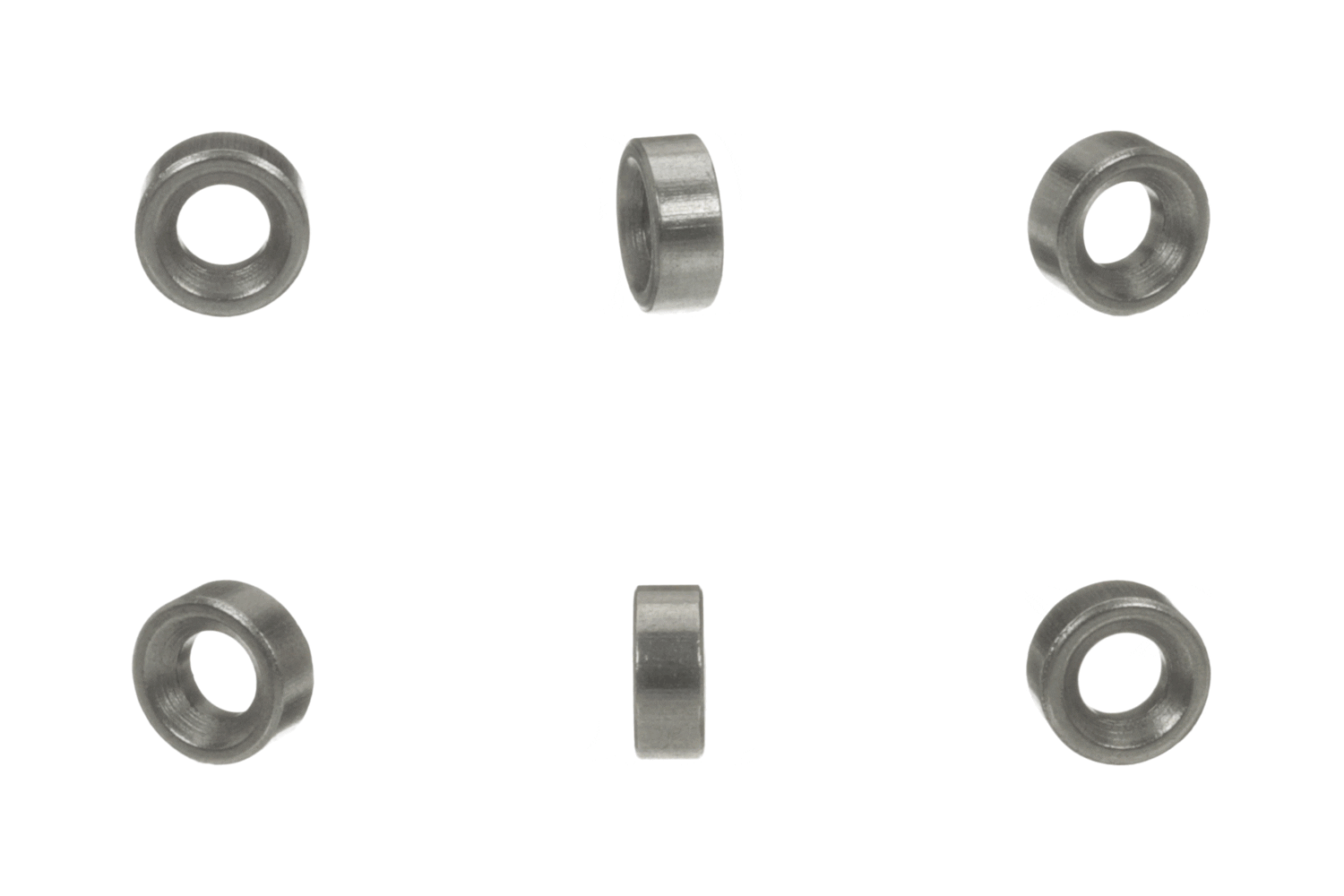
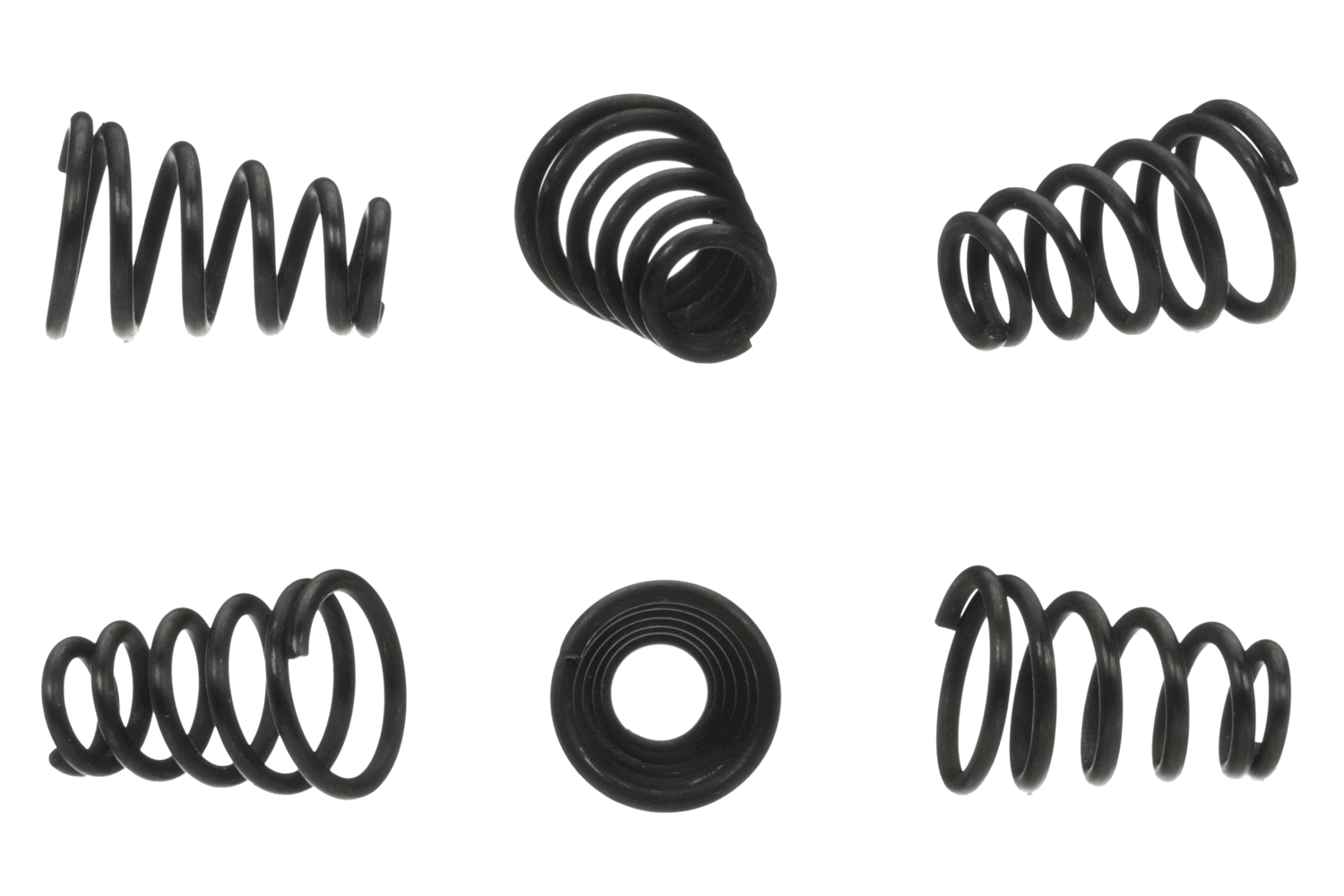
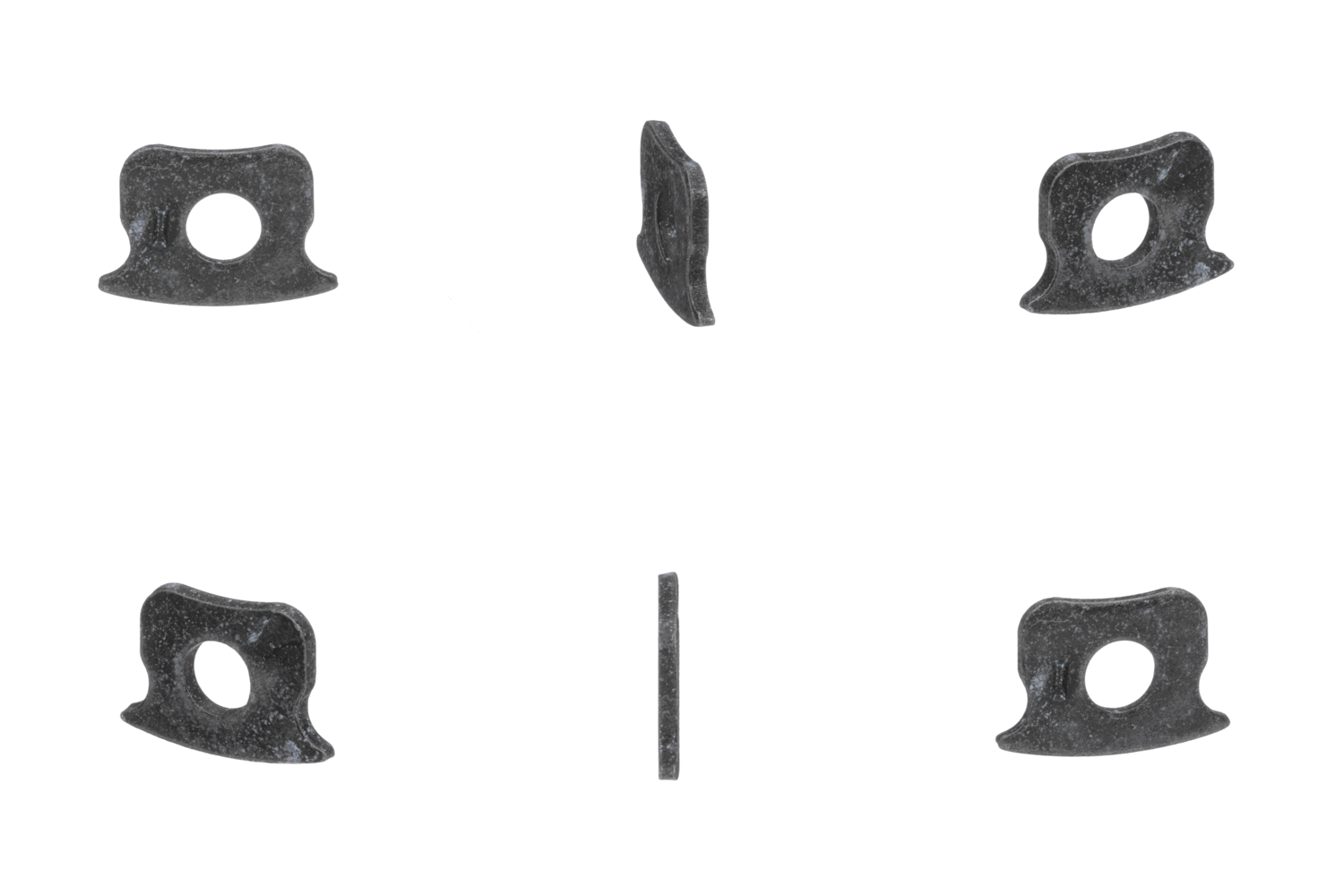
Saw parts vary by tool style, but the buying goal is always the same: match the replacement part to the exact saw, repair symptom, and safety function. A table saw, miter saw, circular saw, reciprocating saw, jigsaw, hand saw, bow saw, and portable cordless saw can all use different blades, guards, motors, switches, fences, guides, handles, plates, belts, bearings, and fasteners. GenuineReplacementParts.com helps customers narrow saw parts by model number, part category, and the problem they are trying to fix.
The main working parts of a power saw usually include the motor, switch or trigger, blade, arbor or spindle, blade guard, base plate or table, fence or guide, bearings, belts or gears, handles, dust port, and adjustment hardware. A hand saw is simpler, but still depends on the blade, teeth, handle, screws, and sometimes a frame or tensioning lever. A saw part should never be chosen by appearance alone because small differences in arbor size, blade guard shape, switch rating, or mounting hole pattern can affect safety.
So, what part of a saw holds the blade? On many circular, miter, and table saws, the blade mounts on an arbor or spindle and is secured with a flange and arbor nut or bolt. The arbor size must match the blade and saw. On a reciprocating saw or jigsaw, the blade locks into a clamp or chuck. On a bow saw or hacksaw, the frame tensions the blade. On a chainsaw, the cutting chain runs around a guide bar rather than spinning on an arbor.
Common symptoms can point to different parts. A blade that wobbles may mean a bent blade, loose arbor nut, worn flange, damaged bearing, or bent shaft. A saw that hums but will not start may have a motor, capacitor, switch, cord, or battery issue. Burning wood can come from a dull blade, incorrect blade type, misaligned fence, poor feed rate, or motor speed problem. A guard that sticks should be repaired before use because it protects the operator during and after the cut.
Exact-fit replacement is especially important for safety parts. Riving knives, splitters, blade guards, lower guards, trigger switches, brake parts, fences, and throat plates must align with the blade path and original mounting points. If a guard is too small, a plate is too loose, or a fence does not lock parallel to the blade, the saw can cut poorly or behave unpredictably.
Saw Symptoms and Likely Parts
|
Symptom
|
Likely part
|
What to confirm
|
|
Blade wobbles or vibrates
|
Blade, arbor nut, flange, bearing, spindle
|
Arbor size, blade condition, flange seating
|
|
Saw will not start
|
Switch, cord, motor, capacitor, battery, charger
|
Power source, model number, voltage rating
|
|
Cuts burn or wander
|
Blade, fence, miter gauge, bearings, alignment parts
|
Blade type, fence lock, table alignment
|
|
Guard sticks or will not return
|
Blade guard, spring, pivot, linkage
|
Guard shape, pivot points, missing spring
|
|
Dust collection is poor
|
Dust bag, port, shroud, hose adapter
|
Port diameter, bag mount, clogging
|
|
Blade slips or stalls
|
Belt, pulley, gear, clutch, motor
|
Saw type, belt size, drive system
|
Saw Part Types and Fit Details
|
Part type
|
What it does
|
Fit detail
|
|
Blade and arbor hardware
|
Cuts material and secures the blade to the saw
|
Diameter, tooth count, arbor size, kerf
|
|
Fence or guide rail
|
Keeps stock aligned for controlled cuts
|
Rail length, clamp style, saw table model
|
|
Guard or riving knife
|
Helps protect against blade contact and kickback
|
Blade size, mount points, saw series
|
|
Switch or trigger
|
Controls power to the motor
|
Voltage, amp rating, terminal layout
|
|
Belt, bearing, or gear
|
Transfers power and supports rotation
|
Part number, size, shaft or pulley fit
|
If the saw is a stationary wheel-and-blade machine with tracking or tire issues, the more focused band saw parts collection can help narrow blades, tires, wheels, bearings, guides, and tension parts.
Model numbers are usually found on a nameplate, motor housing, handle, lower frame, table base, or battery slot. For older saws, the serial number can matter because manufacturers sometimes revise guards, fences, bearings, switches, and motor assemblies during a model run. If the old part has a stamped number, keep it until the new part has been installed and tested.
Cordless saws add a power-system check. If the tool runs with one pack but not another, or the charger shows a fault, compare the issue with battery and charger parts before replacing a saw motor or switch.
Before ordering saw parts, identify the saw type, full model number, power source, blade size, arbor size, symptom, and whether the part is structural, electrical, or safety-related. Take photos before removing springs, guards, belts, and switch wires. Unplug corded saws and remove batteries from cordless saws before inspecting or replacing parts.
For outdoor cutting tools that use a chain, guide bar, sprocket, chain brake, and fuel or oiling system, use chainsaw replacement parts instead of a general saw category.
A technician is recommended for damaged wiring, cracked housings, failed brakes, missing guards, motor smoke, blade wobble from a bent shaft, or any saw used in a professional setting where safety compliance matters. DIY replacement is more approachable for blades, dust bags, throat plates, some fences, handles, cords, brushes, and clearly matched external covers.
Many saw repairs require removing small screws, guards, plates, or access covers. The right screwdriver parts and driver tips can prevent stripped fasteners during repair.
GenuineReplacementParts.com helps shoppers choose saw parts with practical fit checks, not guesswork. A correct repair should restore clean cutting, stable alignment, smooth operation, and original safety behavior. If the part changes how the saw holds, spins, guides, brakes, or guards the blade, compatibility should be treated as critical.
A useful final check is to separate cutting wear from machine wear. Blades, chains, and some inserts are expected to wear. Bearings, motors, guards, fences, and switches should not be treated as routine consumables unless the saw shows a clear symptom or the manual calls for service. That distinction helps customers avoid replacing a motor when the real issue is a dull blade, or replacing a blade when the real issue is a misaligned fence.