Chainsaw parts affect cutting performance and operator safety. A dull chain, worn guide bar, clogged air filter, cracked fuel line, failed spark plug, weak starter, damaged sprocket, or poor oiling system can make a chainsaw hard to start, slow to cut, or unsafe to use. GenuineReplacementParts.com helps customers shop chainsaw replacement parts by model number, bar and chain specifications, engine type, and symptom.
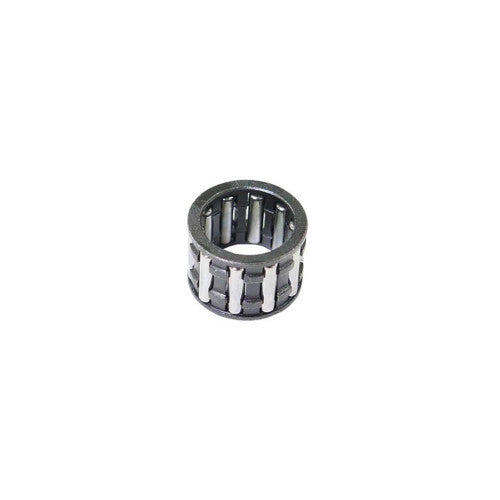
A chainsaw has a cutting system, power system, oiling system, starting system, and safety system. The cutting system includes the guide bar, saw chain, drive sprocket, clutch, bar nuts, side cover, and chain tensioner. A gas chainsaw also has a carburetor, air filter, fuel filter, fuel lines, spark plug, ignition coil, muffler, recoil starter, primer bulb, and fuel tank parts. A cordless chainsaw uses a battery pack, terminals, motor, trigger, control board, and charger.
What are the main parts of a chainsaw called? The guide bar supports the chain. The saw chain carries the cutters. The drive sprocket moves the chain. The chain tensioner adjusts chain slack. The chain brake and front hand guard help stop the chain during kickback. The oil pump sends bar oil to the chain and bar. On gas models, the carburetor mixes fuel and air, and the spark plug ignites the mixture.
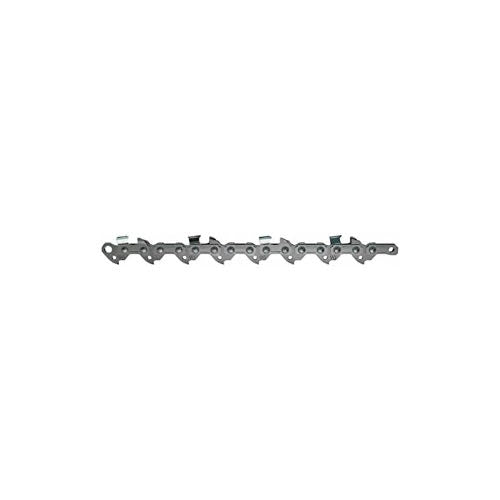
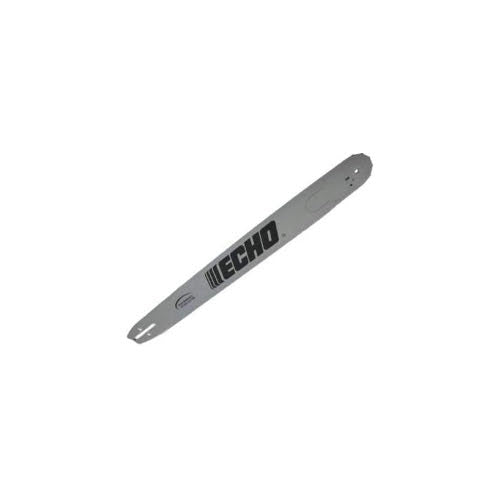
Bar and chain matching is one of the most important ordering steps. A replacement chain is not chosen by bar length alone. The chain must match pitch, gauge, drive-link count, bar length, and compatible bar mount or saw model. Many bars have specifications stamped near the mounting end. If those markings are gone, check the manual, old chain package, or model-specific parts diagram.
Common symptoms point to common parts. A chainsaw that will not start may have old fuel, clogged air filter, cracked fuel line, bad spark plug, carburetor problem, or ignition issue. A chain that will not move may involve the chain brake, clutch, sprocket, tension, or bar. A chain that smokes or turns blue may not be getting enough oil, or the chain may be too tight. A chain that jumps off the bar may have incorrect tension, wrong chain gauge, worn bar groove, or worn sprocket.
Chainsaw Symptoms and Likely Parts
|
Symptom
|
Likely part
|
What to confirm
|
|
Will not start
|
Spark plug, fuel line, carburetor, air filter, ignition coil
|
Fuel condition, spark, model number
|
|
Chain will not move
|
Chain brake, clutch, sprocket, tensioner
|
Brake position, chain tension, cover seating
|
|
Chain jumps off bar
|
Guide bar, chain, sprocket, tensioner
|
Pitch, gauge, drive links, bar groove
|
|
Cuts slowly or pulls sideways
|
Dull chain, damaged bar, wrong chain
|
Cutter sharpness, bar rails, chain specs
|
|
No bar oil reaching chain
|
Oil pump, oil line, oil filter, bar oil hole
|
Oil level, port blockage, pump operation
|
|
Excess vibration
|
Anti-vibration mounts, chain, sprocket, bar
|
Loose mounts, chain damage, fasteners
|
Chainsaw Part Types and Fit Details
|
Part type
|
What it does
|
Fit detail
|
|
Saw chain
|
Cuts wood with linked cutters around the bar
|
Pitch, gauge, drive links, cutter style
|
|
Guide bar
|
Supports and guides the chain
|
Length, mount pattern, pitch, gauge
|
|
Carburetor
|
Mixes fuel and air on gas models
|
Engine model, linkage, primer/fuel line routing
|
|
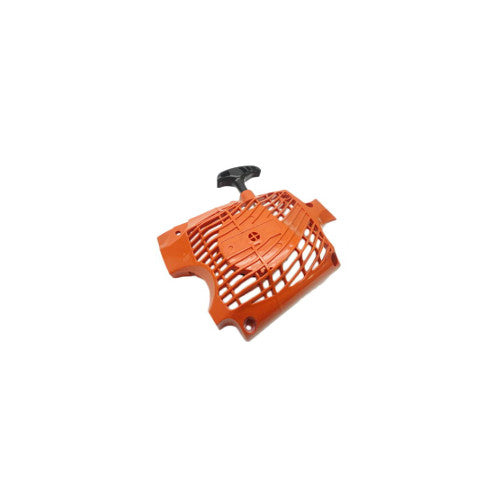
Starter assembly
|
Rewinds cord and turns engine for starting
|
Housing shape, pulley, spring, pawl
|
|
Oil pump
|
Lubricates bar and chain during cutting
|
Pump style, oil line routing, saw model
|
Chainsaws are part of the wider cutting-tool family, but their bars, chains, sprockets, brakes, and oiling systems are more specific than general saw parts.
Where is the chainsaw model number? Check the starter housing, engine cover, rear handle, underside label, battery slot on cordless models, or the original manual. Also record the bar length, chain pitch, chain gauge, drive-link count, and any part numbers stamped on the guide bar or chain drive links. Those numbers are often the difference between a safe fit and a chain that will not seat correctly.
Can you replace a chainsaw chain yourself? Many users can replace a chain if they match the specifications, wear gloves, turn the saw off, engage safe handling, and set tension correctly. The chain should sit in the bar groove, move freely by hand with the power disabled, and not sag below the bar. If the chain is too tight, it can overheat. If it is too loose, it can derail.
Cordless chainsaws also depend on chargers, packs, terminals, and contacts. If the saw has no power or shuts off quickly, check battery and charger parts before assuming the motor or controller has failed.
Replace a guide bar when it is bent, has pinched rails, has a worn groove, shows uneven rail height, or no longer holds chain tension correctly. Keep the bar oil holes clean, inspect the sprocket nose if equipped, and flip the bar periodically if the manufacturer allows it. A new chain on a badly worn bar may still cut poorly.
If the repair involves opening covers or adjusting tensioner hardware, a properly fitted screwdriver replacement part or driver bit helps prevent stripped screws.
Safety should come first. Stop using the chainsaw if the chain brake does not work, the throttle lockout is damaged, the handles are cracked, the chain is derailing, or the saw leaks fuel near hot parts. Let gas engines cool before service. Remove the battery from cordless models before replacing the bar, chain, sprocket cover, or tensioner parts.
A shop band saw uses a continuous blade too, but it relies on wheels, tires, guide bearings, and table parts rather than guide bars and saw chains. For those machines, use band saw replacement parts.
Call a technician for carburetor tuning, ignition faults, fuel leaks, clutch repairs, chain brake repairs, oil pump replacement, and any symptom that continues after routine parts are matched correctly. GenuineReplacementParts.com helps customers choose chainsaw parts with the full specification set in mind, so the repair restores cutting speed, oiling, tension, and safe control.