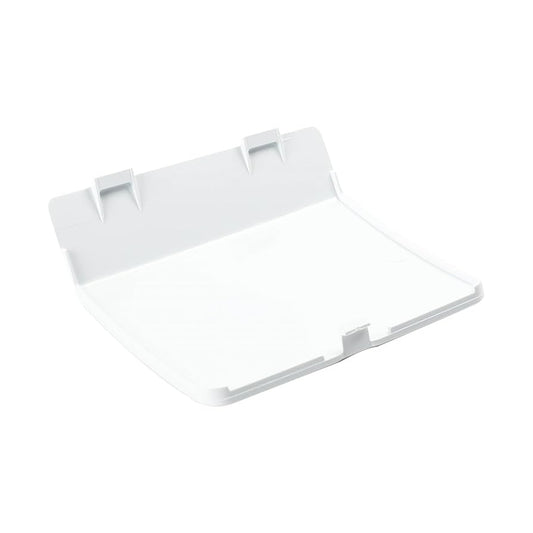
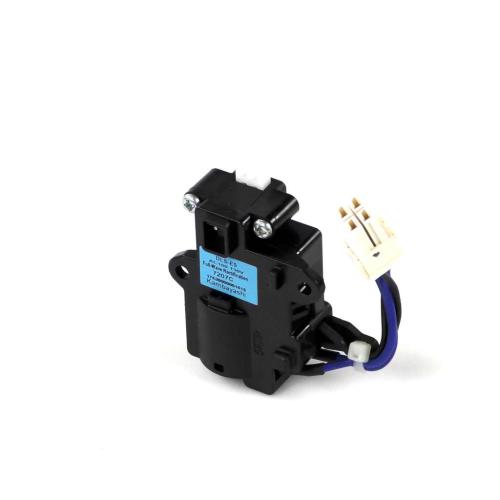
A laundry centre door protects the drum opening, keeps water or heat contained, and allows the appliance to confirm that a cycle can run safely. If the door is cracked, sagging, loose, hard to close, or damaged around the latch, replacing the right door part can restore safe and reliable use.
Laundry centre doors are model-specific. A replacement may be a complete door assembly, outer door frame, inner panel, glass window, trim, hinge support, latch area, or handle connection. Before ordering, check the model number on your stacked unit and compare the old part with the replacement shape, color, hinge location, and mounting points. If you are not sure where the door fits into the broader repair, review the full laundry center parts category first.
Common Laundry Centre Door Problems
A door problem can look simple at first, but the cause may be one of several connected parts. The handle may be broken, the frame may be cracked, the hinge area may be loose, the latch may not engage, or the door switch may not read the closed position. A front-load washer door can also leak if the seal is damaged, while a dryer door may stop the unit from starting if the switch is not pressed correctly.
If you are asking what type of door is best for a laundry room, that is usually a room-design question. For appliance repair, the best laundry centre door is the one built for your exact unit. The appliance door must match the model number, hinge side, latch style, glass shape, and trim design. Room doors, closet doors, and ventilation panels do not replace an appliance door assembly.
|
Problem
|
Likely Area to Check
|
Why It Matters
|
|
Door will not latch
|
Latch, strike, switch, and door alignment
|
The machine may not start
|
|
Door handle is cracked
|
Handle, screws, and trim posts
|
Pulling force may damage the door further
|
|
Door is sagging
|
Hinge area or frame support
|
Misalignment can cause rubbing or leaks
|
|
Glass or panel is cracked
|
Door assembly or window insert
|
Damaged panels can be unsafe
|
Door Handle, Switch, and Frame Connections
The handle is one of the most common door-related replacement parts. If the door itself is solid but the grip has cracked or loosened, a model-matched laundry centre handle may be all you need. Check whether the handle mounts into the door frame or through the inner panel. If the mounting posts are broken, the repair may also require trim or a larger door assembly.
The door switch is just as important. Most laundry centres will not run if the appliance does not sense that the door is closed. If the door closes but the unit will not start, clicks strangely, or stops when the door is touched, inspect the latch and the laundry centre switch. The door may not be the only failing part.
Door alignment depends heavily on the surrounding structure. If the front opening is bent or the hinge side no longer sits flush, a new door may not fix the problem by itself. Inspect the laundry centre frame around the door opening for cracks, rust, or warped mounting points before ordering.
What to Match Before Buying a Replacement Door
A laundry centre door should never be chosen by appearance alone. Match the model number first, then compare the door location. Some stacked units use separate washer and dryer doors. Others may have a top dryer door and lower washer lid or a front-load washer door below the dryer. The hinge side, latch style, trim finish, and glass window can change between models.
|
Door Detail
|
What to Confirm
|
Why It Helps
|
|
Model number
|
Full appliance model from the rating label
|
Confirms exact compatibility
|
|
Door location
|
Washer door, dryer door, or access door
|
Prevents ordering the wrong assembly
|
|
Hinge side
|
Left or right position
|
Ensures opening direction matches
|
|
Latch design
|
Strike, lock, or switch contact style
|
Helps the machine start safely
|
So, what size is a standard laundry room door? That question does not help much when replacing an appliance door. A laundry room entry door may follow building and design standards, but a laundry centre appliance door is shaped around a specific machine model. Use the appliance label, not room measurements, to find the correct part.
Safe Door Replacement Steps
Start by unplugging the laundry centre. If the repair involves the washer door, keep towels nearby in case water remains around the boot or lower opening. Open the door fully and take photos of hinge screws, trim pieces, and latch placement. Support the door before removing the final screw so the weight does not pull against the frame.
If screws are rusted, stripped, or missing, replace them with exact-fit laundry centre screw parts. The wrong screw length can crack trim, fail to hold the hinge, or interfere with internal pieces. Tighten gradually and test the door after installation before running a full cycle.
If you remove covers or panels to reach the door hardware, check their condition before reassembly. A loose laundry centre cover can make the door area look misaligned or allow rattling during spin and dry cycles. Replace any cover that no longer clips or screws securely into place.
Leaks, Airflow, and Door Fit
For washer doors, poor fit can allow moisture to escape. For dryer doors, poor fit can affect airflow and cycle performance. If water appears under the appliance, do not assume the door is always the source. Check the visible seal area, then inspect hoses and drain connections if the leak seems to come from behind or below the unit. A damaged laundry centre pipe or hose can create water problems that appear near the door.
If the appliance door is in good condition but the outer shell is damaged, you may need case or panel parts rather than a door assembly. The laundry centre case can be relevant when the surrounding body is dented, bent, or no longer supports the door area correctly.
Choose the Door Part That Solves the Actual Problem
A laundry centre door repair should make the appliance close smoothly, start properly, and run without rubbing, rattling, or leaking. GenuineReplacementParts helps you search by model number and compare door assemblies with related handles, frames, switches, screws, and covers. When all connected parts fit correctly, the appliance feels safer and more stable during everyday laundry use.