GE Washer Bearings, Wheels, and Rollers

GE Washer Bearings, Wheels, and Rollers Parts

A ge washer bearings, wheels, and rollers fault should be diagnosed from the exact function that stopped, the conditions that trigger it, and the surrounding parts that may be loading or misaligning the component. This collection includes tub and drum bearings, bearing races and seals, support wheels and rollers, roller axles and retainers, and pulley and movable-frame bearings. Similar-looking pieces can operate at different ratings or sit in different positions, so appearance is only a secondary check after the complete part number is known.

Begin with the machine disconnected from power and document the symptom before moving anything. Inspect roaring that rises with speed, rust or grease tracks, flat spots, seized rollers, loose races, radial play, scoring, heat discoloration, and metal debris. Replacement becomes reasonable when the defect is repeatable, the failed surface or electrical measurement is confirmed, or the part can no longer hold its specified position. Avoid replacing the category part solely because the appliance displays a broad symptom.

Determine what failed before replacing the part

Separate a component failure from an installation, supply, control, or adjacent-part problem. In this category, the part must support rotating drums, tubs, pulleys, carts, or movable assemblies while controlling friction and alignment. Record when the symptom begins, which direction or cycle is active, whether temperature or load changes it, and whether the fault disappears after cooling or repositioning. Those observations narrow the diagnosis without bypassing a safety device.

For ge washer bearings, wheels, and rollers, inspect the complete mechanical and electrical path. A loose mount, obstructed air or water path, shifted seal, damaged harness, or incorrect command can make a sound component look defective. Review the GE washer drums and tubs when the evidence points beyond the selected category.

When replacement is actually needed

Replace the identified part when cracks, deformation, open windings, leakage, burned terminals, loss of calibrated response, excessive play, or another confirmed defect prevents its normal function. A failing bearing can damage the shaft, tub, seal, motor, belt, heater, or cabinet and may release lubricant into the wash area. Stop use when movement, water, heat, or electricity can extend the damage.

For the first confirmed repair path, compare the original with the GE washer bearing WE03X25099. Use the linked entry only when its full part number matches the installed identifier. Inspect the mating surface and any connector, bracket, seal, clip, or fastener that could cause the replacement to fail again.

Match the correct part by number and geometry

Copy every character from the original label, molded mark, or parts documentation. Then compare inside and outside diameter, width, seal type, load direction, race, shaft, retaining method, wheel diameter, tread, axle, and installed position. A close visual match may still change load, timing, sealing, flow, or electrical behavior. Do not enlarge holes, move connector pins, trim seals, or bend a calibrated part to make another identifier fit.

The GE washer bearing or roller WH01X10286 illustrates why the number controls the choice. Confirm what is included with the listing and what must transfer from the old assembly. Reuse only undamaged transfer pieces that the service procedure identifies, and keep position-specific components in their original side or corner.

Check related systems before ordering

A fault can travel through more than one assembly. Check supply, supports, clearances, seals, sensors, controls, and the driven or mating component before authorizing the replacement. When the symptom involves the neighboring system, use the GE washer gaskets and seals to keep the diagnosis tied to the actual failed function.

For ge washer bearings, wheels, and rollers, also compare the GE washer springs and suspension parts when wear or misalignment can originate there. Testing adjacent parts is not an excuse to replace several assemblies together. It prevents a verified new part from being overloaded, misaligned, overheated, or exposed to the same leak.

Installation planning and final checks

Plan the sequence before removing the old component. Photograph routing, installed side, fastener order, seals, and reference marks. During reassembly, use proper support and pullers, avoid impact through the wrong race, renew specified seals and retainers, and confirm smooth rotation before powered spin. Keep tools and replacement parts away from unprotected electrical, refrigerant, water, glass, and moving surfaces.

After reassembling the ge washer bearings, wheels, and rollers, complete a controlled, attended test that reproduces the original complaint without overloading the appliance. Check for leaks, abnormal sound, heat, odor, rubbing, repeated resets, and correct stopping behavior. Shut the machine down immediately if the repaired area moves out of position or a protective device operates.

Common problems and direct repair checks

Why does the GE washer roar during high-speed spin?

Remove the load and rotate the drum by hand. Roughness, play, seal leakage, or sound that follows drum speed supports bearing or support diagnosis. Match the confirmed failure to the GE washer support roller WH01X27819 only after the original part number and surrounding fit have been checked.

Why is rust appearing below the GE washer bearing area?

Trace water from the highest point. A failed shaft or tub seal can wash lubricant out and corrode the bearing, so replacing the bearing alone may not last. Match the confirmed failure to the GE washer bearing WH03X33730 only after the original part number and surrounding fit have been checked.

Why does a GE washer roller develop a flat spot?

A seized axle, overload, long storage under load, contamination, or a damaged track can stop the wheel from rotating. Inspect the mating surface as well as the roller. Match the confirmed failure to the GE washer tub bearing WH09X10001 only after the original part number and surrounding fit have been checked.

Can a noisy GE washer bearing be lubricated instead of replaced?

Many washer bearings are sealed or installed behind water seals. External lubricant can contaminate the machine and will not repair pitting, looseness, or seal failure. Match the confirmed failure to the GE washer support wheel WH46X27704 only after the original part number and surrounding fit have been checked.

Symptom and inspection guide

Observed problem Direct check Part area
Why does the GE washer roar during high-speed spin Remove the load and rotate the drum by hand tub and drum bearings
Why is rust appearing below the GE washer bearing area Trace water from the highest point bearing races and seals
Why does a GE washer roller develop a flat spot A seized axle, overload, long storage under load, contamination, or a damaged track can stop the wheel from rotating support wheels and rollers
Can a noisy GE washer bearing be lubricated instead of replaced Many washer bearings are sealed or installed behind water seals roller axles and retainers

Part-number and fit checklist

Check What to verify
Identifier Complete part number and every suffix.
Function Support rotating drums, tubs, pulleys, carts, or movable assemblies while controlling friction and alignment.
Geometry and rating Inside and outside diameter, width, seal type, load direction, race, shaft, retaining method, wheel diameter, tread, axle, and installed position.
Surroundings Roaring that rises with speed, rust or grease tracks, flat spots, seized rollers, loose races, radial play, scoring, heat discoloration, and metal debris.
Post-repair Use proper support and pullers, avoid impact through the wrong race, renew specified seals and retainers, and confirm smooth rotation before powered spin.

Installation workflow

  1. Disconnect all relevant power and water or refrigerant sources before accessing ge washer bearings, wheels, and rollers.
  2. Photograph the installed tub and drum bearings, its routing, orientation, fasteners, and reference marks.
  3. Inspect the mating component around the bearing races and seals and correct the cause of the original damage.
  4. Match the complete ge washer bearings, wheels, and rollers part number, geometry, ratings, position, and included pieces.
  5. Install the support wheels and rollers without forcing, restore guards and clearances, and secure every connector or clamp.
  6. Run an attended ge washer bearings, wheels, and rollers test and stop for leakage, rubbing, odor, heat, or a protective trip.

Installation and safety

A failing bearing can damage the shaft, tub, seal, motor, belt, heater, or cabinet and may release lubricant into the wash area. Disconnect and verify the energy source before access. Do not bypass an interlock, thermal limit, pressure device, or ground. Work involving live diagnosis, sealed refrigerant systems, heavy suspended assemblies, or complex structural disassembly belongs to a qualified technician.

Before ordering

  • Identify the exact failed tub and drum bearings function and installed position.
  • Match the complete ge washer bearings, wheels, and rollers part number before comparing appearance.
  • Inspect supports, seals, wiring, controls, and clearances adjacent to the bearing races and seals.
  • Confirm what the support wheels and rollers listing includes and which pieces must transfer.
  • Plan a safe ge washer bearings, wheels, and rollers test that reproduces the original symptom.

Search result

Show filters
1 - 40 out of 12 results found in 0.003s
Sorted by

A ge washer bearings, wheels, and rollers fault should be diagnosed from the exact function that stopped, the conditions that trigger it, and the surrounding parts that may be loading or misaligning the component. This collection includes tub and drum bearings, bearing races and seals, support wheels and rollers, roller axles and retainers, and pulley and movable-frame bearings. Similar-looking pieces can operate at different ratings or sit in different positions, so appearance is only a secondary check after the complete part number is known.

Begin with the machine disconnected from power and document the symptom before moving anything. Inspect roaring that rises with speed, rust or grease tracks, flat spots, seized rollers, loose races, radial play, scoring, heat discoloration, and metal debris. Replacement becomes reasonable when the defect is repeatable, the failed surface or electrical measurement is confirmed, or the part can no longer hold its specified position. Avoid replacing the category part solely because the appliance displays a broad symptom.

Determine what failed before replacing the part

Separate a component failure from an installation, supply, control, or adjacent-part problem. In this category, the part must support rotating drums, tubs, pulleys, carts, or movable assemblies while controlling friction and alignment. Record when the symptom begins, which direction or cycle is active, whether temperature or load changes it, and whether the fault disappears after cooling or repositioning. Those observations narrow the diagnosis without bypassing a safety device.

For ge washer bearings, wheels, and rollers, inspect the complete mechanical and electrical path. A loose mount, obstructed air or water path, shifted seal, damaged harness, or incorrect command can make a sound component look defective. Review the GE washer drums and tubs when the evidence points beyond the selected category.

When replacement is actually needed

Replace the identified part when cracks, deformation, open windings, leakage, burned terminals, loss of calibrated response, excessive play, or another confirmed defect prevents its normal function. A failing bearing can damage the shaft, tub, seal, motor, belt, heater, or cabinet and may release lubricant into the wash area. Stop use when movement, water, heat, or electricity can extend the damage.

For the first confirmed repair path, compare the original with the GE washer bearing WE03X25099. Use the linked entry only when its full part number matches the installed identifier. Inspect the mating surface and any connector, bracket, seal, clip, or fastener that could cause the replacement to fail again.

Match the correct part by number and geometry

Copy every character from the original label, molded mark, or parts documentation. Then compare inside and outside diameter, width, seal type, load direction, race, shaft, retaining method, wheel diameter, tread, axle, and installed position. A close visual match may still change load, timing, sealing, flow, or electrical behavior. Do not enlarge holes, move connector pins, trim seals, or bend a calibrated part to make another identifier fit.

The GE washer bearing or roller WH01X10286 illustrates why the number controls the choice. Confirm what is included with the listing and what must transfer from the old assembly. Reuse only undamaged transfer pieces that the service procedure identifies, and keep position-specific components in their original side or corner.

Check related systems before ordering

A fault can travel through more than one assembly. Check supply, supports, clearances, seals, sensors, controls, and the driven or mating component before authorizing the replacement. When the symptom involves the neighboring system, use the GE washer gaskets and seals to keep the diagnosis tied to the actual failed function.

For ge washer bearings, wheels, and rollers, also compare the GE washer springs and suspension parts when wear or misalignment can originate there. Testing adjacent parts is not an excuse to replace several assemblies together. It prevents a verified new part from being overloaded, misaligned, overheated, or exposed to the same leak.

Installation planning and final checks

Plan the sequence before removing the old component. Photograph routing, installed side, fastener order, seals, and reference marks. During reassembly, use proper support and pullers, avoid impact through the wrong race, renew specified seals and retainers, and confirm smooth rotation before powered spin. Keep tools and replacement parts away from unprotected electrical, refrigerant, water, glass, and moving surfaces.

After reassembling the ge washer bearings, wheels, and rollers, complete a controlled, attended test that reproduces the original complaint without overloading the appliance. Check for leaks, abnormal sound, heat, odor, rubbing, repeated resets, and correct stopping behavior. Shut the machine down immediately if the repaired area moves out of position or a protective device operates.

Common problems and direct repair checks

Why does the GE washer roar during high-speed spin?

Remove the load and rotate the drum by hand. Roughness, play, seal leakage, or sound that follows drum speed supports bearing or support diagnosis. Match the confirmed failure to the GE washer support roller WH01X27819 only after the original part number and surrounding fit have been checked.

Why is rust appearing below the GE washer bearing area?

Trace water from the highest point. A failed shaft or tub seal can wash lubricant out and corrode the bearing, so replacing the bearing alone may not last. Match the confirmed failure to the GE washer bearing WH03X33730 only after the original part number and surrounding fit have been checked.

Why does a GE washer roller develop a flat spot?

A seized axle, overload, long storage under load, contamination, or a damaged track can stop the wheel from rotating. Inspect the mating surface as well as the roller. Match the confirmed failure to the GE washer tub bearing WH09X10001 only after the original part number and surrounding fit have been checked.

Can a noisy GE washer bearing be lubricated instead of replaced?

Many washer bearings are sealed or installed behind water seals. External lubricant can contaminate the machine and will not repair pitting, looseness, or seal failure. Match the confirmed failure to the GE washer support wheel WH46X27704 only after the original part number and surrounding fit have been checked.

Symptom and inspection guide

Observed problem Direct check Part area
Why does the GE washer roar during high-speed spin Remove the load and rotate the drum by hand tub and drum bearings
Why is rust appearing below the GE washer bearing area Trace water from the highest point bearing races and seals
Why does a GE washer roller develop a flat spot A seized axle, overload, long storage under load, contamination, or a damaged track can stop the wheel from rotating support wheels and rollers
Can a noisy GE washer bearing be lubricated instead of replaced Many washer bearings are sealed or installed behind water seals roller axles and retainers

Part-number and fit checklist

Check What to verify
Identifier Complete part number and every suffix.
Function Support rotating drums, tubs, pulleys, carts, or movable assemblies while controlling friction and alignment.
Geometry and rating Inside and outside diameter, width, seal type, load direction, race, shaft, retaining method, wheel diameter, tread, axle, and installed position.
Surroundings Roaring that rises with speed, rust or grease tracks, flat spots, seized rollers, loose races, radial play, scoring, heat discoloration, and metal debris.
Post-repair Use proper support and pullers, avoid impact through the wrong race, renew specified seals and retainers, and confirm smooth rotation before powered spin.

Installation workflow

  1. Disconnect all relevant power and water or refrigerant sources before accessing ge washer bearings, wheels, and rollers.
  2. Photograph the installed tub and drum bearings, its routing, orientation, fasteners, and reference marks.
  3. Inspect the mating component around the bearing races and seals and correct the cause of the original damage.
  4. Match the complete ge washer bearings, wheels, and rollers part number, geometry, ratings, position, and included pieces.
  5. Install the support wheels and rollers without forcing, restore guards and clearances, and secure every connector or clamp.
  6. Run an attended ge washer bearings, wheels, and rollers test and stop for leakage, rubbing, odor, heat, or a protective trip.

Installation and safety

A failing bearing can damage the shaft, tub, seal, motor, belt, heater, or cabinet and may release lubricant into the wash area. Disconnect and verify the energy source before access. Do not bypass an interlock, thermal limit, pressure device, or ground. Work involving live diagnosis, sealed refrigerant systems, heavy suspended assemblies, or complex structural disassembly belongs to a qualified technician.

Before ordering

  • Identify the exact failed tub and drum bearings function and installed position.
  • Match the complete ge washer bearings, wheels, and rollers part number before comparing appearance.
  • Inspect supports, seals, wiring, controls, and clearances adjacent to the bearing races and seals.
  • Confirm what the support wheels and rollers listing includes and which pieces must transfer.
  • Plan a safe ge washer bearings, wheels, and rollers test that reproduces the original symptom.

16 products

Part

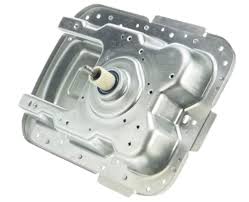
GE Platform Bearing Retainer WH03X33730
WH03X33730
$131.08 $170.41

In stock 34 Products

Quick View

In stock 34 Products

Part

GE

$131.08 $170.41
Quick View

Part

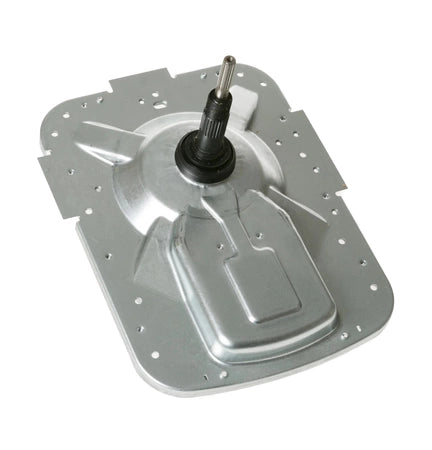
GE Platform Bearing Retainer WH03X33733
WH03X33733
$214.14 $278.39

In stock 14 Products

Quick View

In stock 14 Products

Part

GE

$214.14 $278.39
Quick View

Part

GE Platform Bearing Retainer and Fastener WH03X33731
WH03X33731
$246.45 $320.39

In stock 81 Products

Quick View

In stock 81 Products

Part

GE

$246.45 $320.39
Quick View

Part

GE Leveling Leg WH01X29505
WH01X29505
$19.71 $26.71

In stock 18 Products

Quick View

In stock 18 Products

Part

GE

$19.71 $26.71
Quick View

Part

Ge Platform Bearing Retainer & Fa - WH03X33732
WH03X33732
$147.53 $191.79

In stock 29 Products

Quick View

In stock 29 Products

Part

GE

$147.53 $191.79
Quick View

Part

WD02X25513
$11.95 $15.54

In stock 0 Products

Quick View

In stock 0 Products

NLA

GE

$11.95 $15.54
Quick View

Part

Ge Leveling Legs - WH46X27700
WH46X27700
$13.45 $170.41

In stock 70 Products

Quick View

In stock 70 Products

Part

GE

$13.45 $170.41
Quick View

Part

Ge Leveling Leg - WH46X28359
WH46X28359
$19.71 $26.71

In stock 8 Products

Quick View

In stock 8 Products

Part

GE

$19.71 $26.71
Quick View

Part

Ge Top Lid Shaft - WH02X26903
WH02X26903
$12.52 $19.52

In stock 10 Products

Quick View

In stock 10 Products

Part

GE

$12.52 $19.52
Quick View

Part

GE Part# WE03X25099 Upper Bearing (OEM)
WE03X25099
$49.22 $63.99

In stock 15 Products

Quick View

In stock 15 Products

Part

GE

$49.22 $63.99
Quick View

Part

GE Part# WH46X27704 Caster Assembly - Genuine OEM
WH46X27704
$19.95 $170.41

In stock 0 Products

Quick View

In stock 0 Products

NLA

GE

$19.95 $170.41
Quick View

Part

GE Washer Caster - WH01X27819
WH01X27819
$28.95 $37.64

In stock 71 Products

Quick View

In stock 71 Products

Part

GE

$28.95 $37.64
Quick View

Part

GE Part# WH2X1187 Leveling Leg (OEM)
WH2X1187
$29.45 $38.29

In stock 3 Products

Quick View

In stock 3 Products

Part

GE

$29.45 $38.29
Quick View

Part

GE Part# WH01X10286 Pedestal Leg Assembly (OEM)
WH01X10286
$20.89 $27.16

In stock 0 Products

Quick View

In stock 0 Products

NLA

GE

$20.89 $27.16
Quick View

Part

GE Part# WH09X10001 Wheel Roller (OEM)
WH09X10001
$56.89 $170.41

In stock 0 Products

Quick View

In stock 0 Products

Part

GE

$56.89 $170.41
Quick View

Part

GE Leveling Leg WH46X28359
WH46X28359
$19.71 $26.71

In stock 8 Products

Quick View

In stock 8 Products

Part

GE

$19.71 $26.71
Quick View

Frequently Asked Questions

Quick answers for your replacement part needs

Where can I find genuine replacement parts for my appliance?

Finding genuine replacement parts for your appliances has never been easier! We offer authentic parts for over 250 brands, including LG, Samsung, Whirlpool, Kenmore, Bosch, and Liebherr. Simply enter your appliance's model number on our website, and explore our extensive selection of compatible parts designed to restore your appliance's peak performance and reliability.

What type of appliance parts and accessories are available for purchase?

Are your replacement parts compatible with all models?

What if I can’t find the appliance part I need?

How can I track my order for appliance parts online?

How long will it take to receive my replacement parts order?

Can I return appliance parts if they are not compatible with my model?

How can I update my shipping address after placing an order?

How can I get in touch with customer support?

Couldn’t find the answer to your question?

Your satisfaction matters. Let us know how we can assist with your repair journey.

Your Cart ( 0 items)

You currently have 0 items in your Cart

Return to shop
Menu

Compatible Models