Vacuum Cleaner Parts
Vacuum cleaner replacement parts help restore suction, brush movement, filtration, airflow, and everyday cleaning performance. At Genuine Replacement Parts, you can find replacement parts for vacuum cleaners, including filters, belts, bags, hoses, brush rolls, extension wands, floor nozzles, dust cups, lids, wheels, switches, cords, motors, and attachments.
Replacement vacuum parts should be matched to the exact model number because small differences in belt size, filter shape, hose diameter, brush roll length, connector type, or dust cup design can affect fit. Whether you use an upright, canister, handheld, cordless, stick, robotic, or wet-dry vacuum, model-specific matching is the best way to avoid ordering the wrong part.
How to Find the Right Replacement Part for Your Vacuum
Your vacuum model number is usually located on the bottom plate, rear housing, rating label, battery compartment, handle area, dust cup area, or near the power cord. On some units, the model label is visible only after removing the dust bin or filter cover. Write down the full model number before searching for parts.
If the old part has a stamped part number, use it with the vacuum model number. Belts often have printed numbers on the rubber surface. Filters, bags, hoses, brush rolls, and attachments may have molded numbers, labels, or size markings. Matching both the model and part number gives the best chance of a correct fit.
Common Vacuum Cleaner Parts List
Vacuum cleaners rely on airflow, filtration, and rotating components to remove dust and debris. When one part wears out, the vacuum may lose suction, leak dust, overheat, become noisy, or stop cleaning effectively.
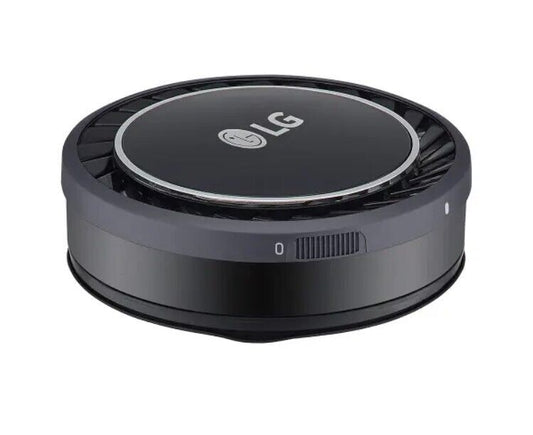
Vacuum Filters: Filters trap fine dust before air exits the vacuum. Clogged filters reduce suction, make the motor work harder, and can lead to overheating. Many vacuums, including the LG A900BM A9, use washable pre-motor and post-motor filters that should be cleaned only as directed and completely dried before reuse. Non-washable HEPA filters should be replaced when dirty, torn, or clogged.
Vacuum Bags and Dust Containers: Bagged vacuums require the correct bag style to maintain an airtight seal. For example, Bosch Series 4 canister vacuums use model-specific dust bags, while bagless models such as the Samsung Jet 75, LG CordZero A9, and Panasonic MCUL955rely on dust bins, lids, and seals that must close securely. A poor seal can cause dust leakage, reduced suction, and decreased cleaning performance. Always match replacement bags, dust containers, and seals to your exact vacuum model.
Vacuum Belts: The belt connects the motor or drive system to the brush roll. A stretched, cracked, or broken belt can stop the brush roll from spinning even when the motor runs normally.
Brush Roll and Beater Bar: The brush roll lifts dirt, hair, and debris from carpet fibers. Worn bristles, wrapped hair, cracked end caps, or seized bearings can reduce cleaning performance. If the brush roll stops spinning, inspect the belt, brush roll, end caps, and drive mechanism before replacing parts.
Hose and Wand: The hose carries dirt and air from the cleaning head to the dust container or bag. Cracks, clogs, loose cuffs, and damaged hose ends reduce suction. Replacement hoses and extension wands should always match the exact vacuum model to ensure an airtight connection.
Nozzles and Attachments: Floor nozzles, motorized brush heads, crevice tools, upholstery tools, dusting brushes, and extension tools help clean different surfaces. Replacement attachments are commonly purchased for models such as Samsung VS15T7032R4/AA Jet 70 when original accessories are lost or damaged.
Motor, Switch, Cord, and Wheels: Internal motors, power switches, power cords, wheels, and release pedals support the vacuum's operation and mobility. A damaged cord, faulty switch, or failing motor requires careful diagnosis, while broken wheels or pedals can affect maneuverability even when suction remains strong.
Vacuum Cleaner Symptoms and Parts to Check
Vacuum has low suction: Check the filter, bag or dust cup, hose, wand, floor nozzle, and seals. A clogged filter or blocked hose is often the cause. If airflow is clear and suction remains weak, the motor or internal gasket may need inspection.
Vacuum brush roll not spinning: Check the belt, brush roll, end caps, floor head, and height adjustment. A broken belt is one of the most common causes. Hair wrapped around the brush roll can also stop movement and make the belt overheat.
Vacuum smells like burning rubber: Turn the vacuum off and inspect the belt and brush roll. A jammed brush roll can make the belt slip, stretch, and smell hot. Replace the belt if it is glossy, cracked, loose, or melted.
Vacuum overheats or shuts off: Check filters, bag level, hose clogs, airflow path, and motor vents. Overheating is often caused by restricted airflow. Replacing a clogged filter or clearing a hose blockage may solve the problem without replacing the motor.
Vacuum leaks dust: Check the bag seal, dust cup seal, filter cover, hose connection, and lid gasket. If dust escapes from the body, the vacuum may have a damaged seal, missing filter, cracked cup, or incorrectly installed bag.
Vacuum will not turn on: Check the outlet, cord, plug, power switch, reset button, and motor. If the cord is damaged or the switch feels loose, the affected part should be replaced before further use.
Safety Check Before Ordering Vacuum Cleaner Parts
Unplug corded vacuums before removing covers, belts, brush rolls, bags, hoses, or filters. For cordless models, remove the battery when possible before servicing. Never test a vacuum with the brush roll cover removed or with loose clothing, hair, or tools near moving parts.
Check simple maintenance items before ordering expensive components. A dirty filter, full bag, clogged hose, or tangled brush roll can create the same symptoms as a failing motor. Clear clogs, clean or replace filters, and inspect the belt before assuming the vacuum needs major repair.
Do not use a vacuum with a frayed power cord, melted plug, exposed wiring, smoking motor, or burning electrical smell. These issues can create shock or fire risk and should be addressed before the vacuum is used again.
How OEM Vacuum Parts Compare to Aftermarket Parts
|
Feature |
Genuine OEM Vacuum Parts |
Aftermarket Parts |
|
Fit and Compatibility |
Designed to match the exact vacuum model |
May require extra checking for size and fit |
|
Sealing and Airflow |
Helps maintain proper suction and filtration |
May leak air if dimensions vary |
|
Motor Protection |
Correct filters and belts help reduce motor strain |
Poor fit can increase heat or reduce airflow |
|
Durability |
Built to match original performance standards |
Quality can vary by supplier |
|
Best Use |
Recommended for belts, filters, brush rolls, motors, cords, and seals |
May be acceptable only when fit and quality are clearly verified |
For vacuum parts that affect suction, filtration, motor load, and brush movement, OEM parts provide a safer fit. Belts that are too tight can stress the motor, belts that are too loose can slip, and filters that do not seal can let fine dust into the motor area.
How to Order Vacuum Cleaner Replacement Parts from Genuine Replacement Parts
Find your vacuum model number, enter it into the Genuine Replacement Parts search bar, and review the compatible parts list. Compare the part name, shape, size, connector, seal style, and part number before placing your order. If you are replacing a belt or filter, compare the printed number or dimensions on the original part when possible.
For symptoms like low suction or overheating, start with filters, bags, hoses, and clogs. For symptoms like no brush movement, inspect the belt and brush roll first. For symptoms like no power, check the outlet and cord before moving to the switch or motor.
Why Shop for Vacuum Cleaner Parts at Genuine Replacement Parts
Genuine Replacement Parts helps you find the correct replacement vacuum parts by model number, making it easier to restore suction, filtration, and cleaning performance. From routine maintenance parts to repair components, the right part helps extend the life of your vacuum and reduce the need for a full replacement.
Search result
POPULAR PARTS & ACCESSORIES
Frequently Asked Questions
Quick answers for your replacement part needs
Where can I find genuine replacement parts for my vacuum cleaner?
You can find authentic vacuum cleaner parts for top brands like Dyson, Shark, Hoover, Bissell, Miele, and more right on our website. Just enter your model number to explore compatible parts such as filters, hoses, and brush rolls. All our parts are sourced for quality and fit, helping restore your vacuum’s performance with ease.
What types of vacuum cleaner parts do you offer?
We offer a broad selection of vacuum cleaner parts to keep your machine running efficiently, including: 1. Replacement belts and filters to maintain strong suction and clean air 2. Brush rolls and agitators for thorough carpet and floor cleaning 3. Hose and wand assemblies for extended reach and flexibility 4. Dust bags and canisters to capture dirt and debris effectively 5. Motors and switches to ensure reliable power and control Whether you need to fix a minor problem or upgrade an older vacuum, our parts help restore optimal cleaning performance.
Are your vacuum cleaner parts compatible with all models?
Our parts are compatible with many popular models across various brands. However, it’s essential to verify compatibility using your vacuum’s model number. Use our search tool to find the perfect fit, or contact support if you’re unsure—we’re happy to assist.
What if I can’t find the vacuum cleaner part I need?
If you can’t locate a specific part, just contact us with your vacuum’s model number and a brief description of the part. Our team will check our inventory and reach out to our supplier network to find what you need. We're committed to getting your vacuum back in working order.
Do you provide repair help for vacuum cleaner parts?
Yes, we offer repair guides and how-to videos to help you install or replace vacuum parts confidently. From changing filters to replacing belts or brush rolls, our resources make DIY repairs simple and cost-effective. No technical experience needed—just follow our clear instructions.
How can I track my vacuum cleaner parts order?
After placing your order, you’ll receive a confirmation email with tracking details. You can monitor your shipment every step of the way—from dispatch to delivery—using the link provided. This keeps you updated on the package’s status and estimated arrival time.
How long does delivery take for vacuum cleaner parts?
Most orders ship within 1–2 business days. Standard shipping typically takes 3–7 business days, but we also offer expedited options for faster delivery. Once your part ships, we’ll send a tracking number so you can follow its journey to your door.
Can I return vacuum parts if they don’t fit?
Absolutely! If the part is unused and in its original packaging, you can return it within our return period. Just contact our customer service to begin the return or exchange process. We aim to make sure you receive the correct part for a perfect fit.
Can I change my shipping address after placing an order?
Yes, you can update your shipping address if the order hasn’t shipped yet. Please contact our support team right away with your order number and the new address. We’ll do our best to update your information before your order is dispatched.
How do I contact customer support for vacuum cleaner parts?
You can reach our support team via phone, email, or live chat. Whether you need help with finding a part, verifying compatibility, or tracking an order, our experts are ready to help. Your satisfaction is our priority from start to finish.
Couldn’t find the answer to your question?
Your satisfaction matters. Let us know how we can assist with your repair journey.
Wishlist
You currently have 0 items in your Wishlist